
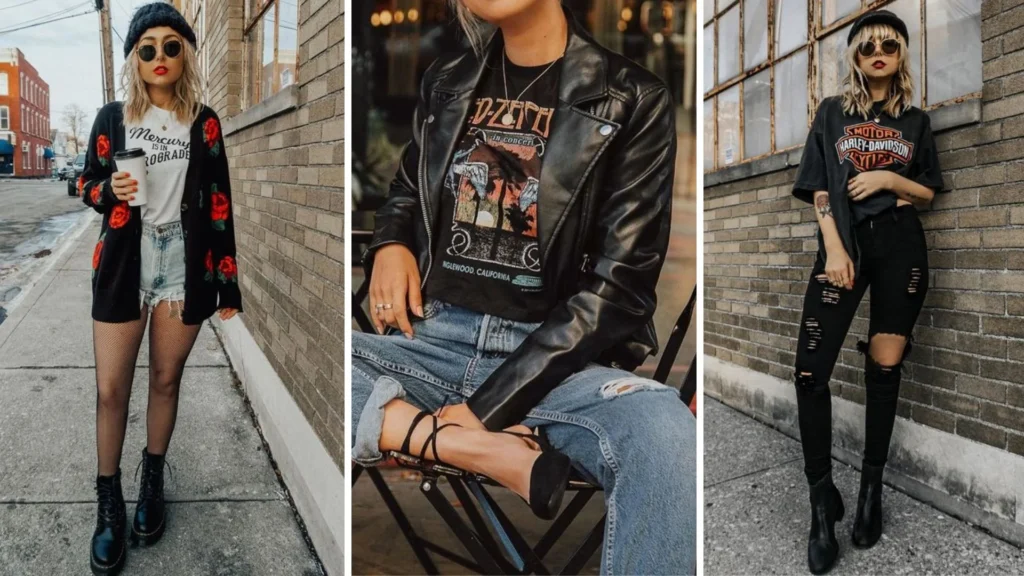
Heavy metal music is not just about loud guitars and powerful vocals; it’s also about a unique fashion statement that reflects rebellion, individuality, and intensity. Heavy metal fashion has evolved over decades, becoming an iconic style recognized worldwide. It’s a combination of edgy clothing, dark aesthetics, and symbolic accessories that tell a story about the wearer’s personality and musical taste.
Origins of Heavy Metal Fashion
Heavy metal fashion traces its roots back to the late 1960s and early 1970s, when bands like Black Sabbath and Led Zeppelin were shaping the music scene. Fans wanted to emulate their idols, and this led to the adoption of leather jackets, denim, studs, and band t-shirts. The style was a reflection of the counterculture, challenging mainstream norms and embracing a darker, rebellious aesthetic.
In the 1980s, the rise of glam metal bands like Mötley Crüe and Twisted Sister introduced a more theatrical approach. Bright colors, makeup, and spiky hair became part of heavy metal fashion, blending aggression with flamboyance. The style continued to evolve, balancing rebellion with personal expression.
Key Elements of Heavy Metal Fashion
Leather and Denim
Leather jackets, vests, and pants are staples of heavy metal fashion. They symbolize toughness and rebellion, often adorned with studs, spikes, or patches. Denim jeans, particularly ripped or distressed, complement the rugged leather look, creating a powerful and edgy appearance.
Band T-Shirts and Graphics
Wearing band t-shirts is a way for fans to show loyalty and connect with the music community. Graphics often feature album art, dark imagery, or iconic symbols like skulls and demons. This element of fashion is both expressive and social, helping fans identify with subcultures within the heavy metal scene.
Accessories and Symbols
Accessories play a huge role in heavy metal fashion. Studded belts, wristbands, chains, and rings are common. Symbolic items such as crosses, skulls, and pentagrams often appear, representing themes of rebellion, mortality, and mysticism. These details make the fashion statement bold and unmistakable.
Footwear
Heavy metal fashion favors sturdy and bold footwear. Combat boots, biker boots, and platform shoes are popular choices. They not only complete the look but also symbolize strength and individuality.
Hair and Makeup
Hairstyles are a crucial aspect of heavy metal fashion. Long hair, wild styles, or colored streaks are common among fans and musicians alike. In glam metal, makeup like eyeliner and bold lipstick was used to create a dramatic, larger-than-life appearance. Hair and makeup in heavy metal are more than aesthetics—they’re a form of personal expression and identity.
Subculture Influence on Fashion
Heavy metal fashion is closely tied to its subculture. Each sub-genre, from thrash metal to black metal, has its own distinctive style. For example:
- Thrash Metal: Casual t-shirts, ripped jeans, and sneakers dominate, reflecting an aggressive yet practical look.
- Black Metal: Dark, gothic clothing with corpse paint and spikes conveys a mysterious, extreme aesthetic.
- Glam Metal: Colorful, flashy outfits with tight pants and leather jackets emphasize theatricality and showmanship.
The diversity of styles within heavy metal fashion shows how music influences identity and clothing choices, making fashion a reflection of subcultural affiliation.
Heavy Metal Fashion in Modern Culture
Today, heavy metal fashion has influenced mainstream fashion and streetwear. Designers and brands often incorporate elements like leather, studs, and graphic tees into modern collections. Celebrities and influencers occasionally adopt heavy metal-inspired looks, blending rebellion with contemporary trends.
Social media has also amplified the visibility of heavy metal fashion. Platforms like Instagram and TikTok allow fans to share outfits, DIY customizations, and creative expressions of their style. This has helped the fashion reach new audiences while staying true to its roots.
Why Heavy Metal Fashion Matters
Heavy metal fashion is more than a style; it’s a statement of individuality, rebellion, and identity. It challenges conventional beauty standards and promotes self-expression. Fans wear heavy metal fashion to connect with a community, showcase their personality, and embrace a bold, unapologetic aesthetic. It is a visual representation of the power and intensity of heavy metal music itself.
Conclusion
Heavy metal fashion remains a powerful form of self-expression and cultural identity. From leather jackets and band t-shirts to spikes, boots, and wild hairstyles, every element carries meaning and history. It is a style that celebrates rebellion, individuality, and musical passion. Whether on stage or in everyday life, heavy metal fashion continues to inspire those who dare to stand out and embrace their inner rebel.