
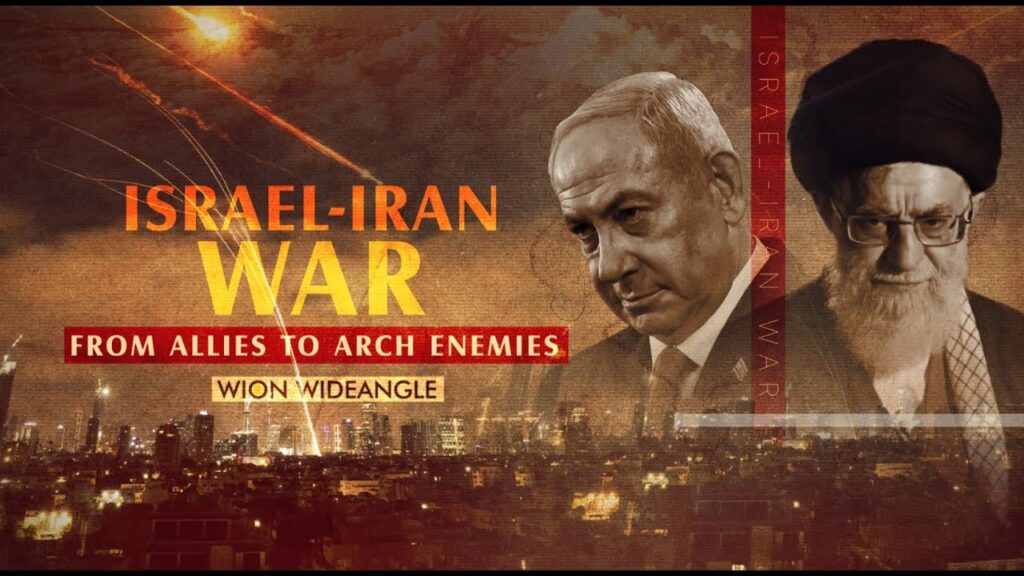
The conflict between Iran and Israel is one of the most complex and long-standing rivalries in modern geopolitics. Today, both countries are seen as strong enemies, but surprisingly, this was not always the case. Their relationship has gone through dramatic changes—from cooperation and friendship to deep hostility and military confrontation.
Early Relations: When Iran and Israel Were Allies
After the creation of Israel in 1948, Iran was actually one of the first Muslim-majority countries to recognize it. During the rule of Shah Mohammad Reza Pahlavi, Iran and Israel maintained close ties. The two countries cooperated in trade, military intelligence, and energy. Iran even supplied oil to Israel, and Israeli companies helped in developing infrastructure projects in Iran.
This partnership was mainly based on shared strategic interests. Both nations were non-Arab states in the Middle East and faced similar regional challenges. As a result, they built a quiet but strong alliance.
1979 Islamic Revolution: The Turning Point
Everything changed in 1979 with the Iranian Islamic Revolution. The Shah was overthrown, and a new Islamic government came into power under Ayatollah Ruhollah Khomeini. This revolution completely transformed Iran’s foreign policy.
The new leadership viewed Israel as an illegitimate state and cut all diplomatic relations immediately. The Israeli embassy in Tehran was handed over to the Palestinian leadership, symbolizing Iran’s new stance.
From this point onward, Iran became one of Israel’s biggest opponents. The ideological difference between the two countries laid the foundation for decades of tension.
Rise of Proxy Conflicts (1980s–2000s)
Instead of direct war, Iran began supporting groups that opposed Israel. One of the most important developments was the creation and support of Hezbollah in Lebanon during the 1980s. This group became a major force against Israel in the region.
Over time, Iran also supported other groups like Hamas in Gaza. These organizations engaged in conflicts with Israel, leading to what is often called a “proxy war.”
Israel, on the other hand, responded with military operations, intelligence activities, and targeted strikes against these groups and Iranian interests in the region. This indirect conflict continued for decades without a full-scale war between the two countries.
Nuclear Tensions and Global Concern
One of the biggest issues in the Iran-Israel conflict is Iran’s nuclear program. In the early 2000s, reports emerged that Iran was developing nuclear technology, raising concerns worldwide.
Israel strongly opposed this program, viewing it as a major threat to its existence. Over the years, Israel has reportedly carried out cyberattacks, sabotage operations, and targeted actions to slow down Iran’s nuclear progress.
These tensions also involved global powers, including the United States and European countries, making the conflict more complicated and dangerous.
Escalation in the 21st Century
In recent years, the conflict has intensified. Iran expanded its influence across the Middle East by supporting allied groups in countries like Syria, Iraq, and Yemen. Israel responded by launching airstrikes on Iranian positions, especially in Syria.
The situation became even more serious after 2023, when regional conflicts increased and Iran-backed groups became more active against Israel.
Direct Confrontation (2024–Present)
For many years, Iran and Israel avoided direct attacks on each other. However, this changed in 2024 when Iran launched a large-scale missile and drone attack on Israel. This marked a major shift from indirect conflict to direct confrontation.
Israel responded with strikes targeting Iranian military facilities. Since then, both countries have engaged in multiple rounds of attacks, increasing the risk of a full-scale war.
By 2025 and 2026, tensions escalated further into broader regional conflict, involving multiple countries and armed groups. The situation has raised global concerns about a possible large-scale war in the Middle East.
Key Reasons Behind the Conflict
Several factors explain why Iran and Israel remain in conflict:
1. Ideological Differences
Iran’s leadership strongly opposes Israel’s existence, while Israel sees Iran as a major threat.
2. Regional Power Struggle
Both countries want influence in the Middle East, leading to competition in countries like Syria and Lebanon.
3. Nuclear Program
Israel fears that Iran could develop nuclear weapons, which would change the balance of power.
4. Proxy Warfare
Iran supports groups that fight against Israel, while Israel targets these groups and Iranian positions.
Global Impact of the Conflict
The Iran-Israel conflict is not just a regional issue—it affects the entire world. Rising tensions can impact oil prices, global trade, and international security.
Whenever the conflict escalates, markets react quickly, and countries around the world become concerned about stability in the Middle East.
Conclusion
The history of Iran and Israel shows how quickly international relationships can change. From allies in the mid-20th century to bitter enemies today, their journey reflects political, ideological, and strategic shifts.
The conflict has evolved from diplomatic tensions to proxy wars and now direct military confrontation. As of today, it remains one of the most dangerous and closely watched conflicts in the world.
Understanding this history is essential to grasp the current situation and what the future might hold. Whether tensions will ease or escalate further depends on political decisions, regional dynamics, and global involvement.