
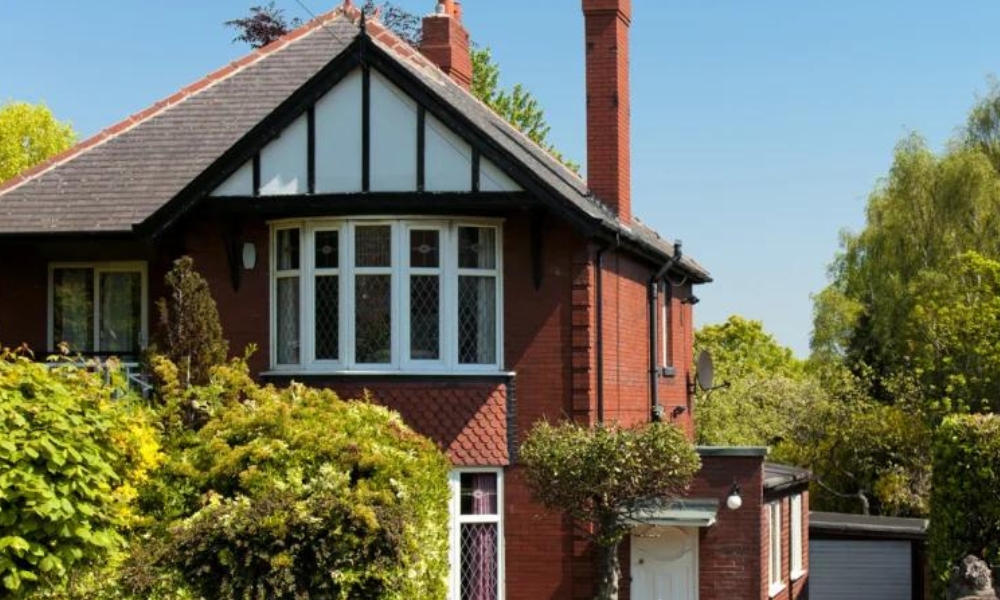
Securing a new home is likely the biggest financial commitment you’ll ever make. While the excitement of collecting keys is high, the reality of property ownership often hides behind fresh paint or clever staging. In the UK, skipping a professional inspection can lead to expensive surprises after you move in. A survey provides the clarity you need to proceed with confidence or rethink your offer.
You aren’t legally required to book a survey, but relying solely on a mortgage valuation is a common mistake. Lenders only want to know if the property is worth the loan amount. Choosing between different inspection tiers is the best way to safeguard your future savings. Let’s look at how you can determine the most suitable option for your specific purchase.
The Standard Choice for Modern Homes
The RICS Level 2 Home Survey is the most popular choice for buyers in the UK. It’s designed for conventional houses, flats, or bungalows that appear to be in reasonable condition. This report focuses on identifying significant defects that might influence the property’s value. It uses a simple traffic light system to rank the urgency of various issues, helping you see what needs fixing immediately.
Because this inspection is non-intrusive, the surveyor won’t lift floorboards or drill into walls. They’ll examine everything that’s visible and easily accessible to provide a reliable overview. If you’re buying a home built within the last fifty years that hasn’t undergone major changes, this level usually offers the right balance of detail and cost.
When a Deeper Inspection is Essential
A Level 3 Home Survey, formerly called a full structural survey, is the most thorough report available. It’s the best option for period properties, listed buildings, or homes built with non-standard materials like timber frames. This report provides an in-depth analysis of the building’s structure and fabric, uncovering potential issues that a surface-level check might miss.
Surveyors spend much more time on-site for a Level 3 inspection. They’ll look at concealed areas where safe, such as cellar spaces or the full extent of the roof. You’ll receive technical advice on repair options and the consequences of ignoring specific defects. It’s particularly useful if you plan to carry out major renovations or if the property has been heavily extended in the past.
Understanding the distinctions between a Level 2 vs Level 3 home survey is vital. While a Level 3 is more expensive than a Level 2, the level of protection it offers is significant. It gives you a clear roadmap of future maintenance requirements and estimated costs for any necessary remedial work. For a “fixer-upper” or a home over fifty years old, this deep dive is often the only way to avoid a financial headache later.
Key Factors in Your Decision
Choosing the right level depends on the specific characteristics of the building and your own tolerance for risk. Use this list to help guide your choice:
- Property Age: Homes built before 1900 or those over fifty years old typically benefit from a Level 3 survey.
- Construction Type: If the house has a thatched roof or unusual stone walls, the detailed analysis of Level 3 is safer.
- Visible Condition: If you spotted cracks, damp patches, or uneven floors during the viewing, go for the more comprehensive option.
- Future Plans: Buyers planning to knock down walls or add an extension need the structural insights found in a Level 3 report.
- Budget for Repairs: If you have limited funds for unexpected fixes, paying more for a Level 3 survey upfront can prevent a crisis.
Securing Your Investment
Whether you opt for a standard report or a full structural assessment, the goal is the same: peace of mind. A professional survey turns a blind purchase into an informed investment. It allows you to ask the seller to fix issues before the exchange or negotiate a lower price to cover the cost of repairs.
By matching the inspection depth to the property’s age and complexity, you ensure that your new home is a sanctuary rather than a source of stress. Taking the time to select the correct survey level is a small step that protects your financial future for years to come.