
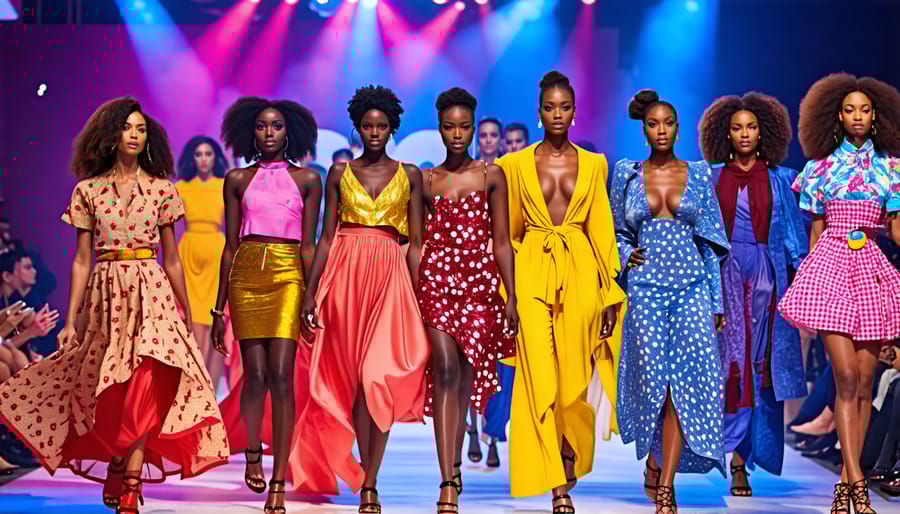
Fashion has always been a reflection of society, its culture, and its evolving values. In recent years, one concept that has gained significant attention in the fashion industry is diversity. Diversity in fashion goes beyond simply having different models on the runway—it encompasses inclusivity in terms of race, body size, gender, age, abilities, and cultural representation. This shift is not just a trend but a fundamental movement that is reshaping the industry and challenging long-standing norms.
The Importance of Diversity
Historically, the fashion industry has been criticized for its lack of diversity. For decades, runways and fashion campaigns primarily featured thin, young, and often white models. This narrow standard not only excluded a vast majority of people but also perpetuated unrealistic beauty ideals. Today, brands and designers are recognizing the importance of representing a broader spectrum of humanity. By embracing diversity, fashion becomes more relatable, accessible, and reflective of the world we live in.
Diversity in fashion is also essential for social and cultural representation. When people see models who look like them, it fosters a sense of belonging and self-confidence. It sends a message that fashion is for everyone, not just a select few. This inclusive approach has the potential to break down societal barriers and challenge stereotypes, making the industry more equitable and empowering.
Representation Matters: Race and Ethnicity
One of the most visible aspects of diversity is racial and ethnic representation. In the past, fashion shows and campaigns often showcased Eurocentric beauty standards, marginalizing models of color. Today, there is a growing demand for representation of Black, Asian, Indigenous, and Latinx models. Brands like Fenty by Rihanna have set a new benchmark by prioritizing diversity in their collections and campaigns, proving that inclusivity is not just ethical but also commercially successful.
Racial diversity also extends to design inspiration. Incorporating cultural elements authentically and respectfully can celebrate heritage and tell unique stories through fashion. However, this requires mindfulness to avoid cultural appropriation, where designers borrow from cultures without proper acknowledgment or understanding.
Body Positivity and Size Inclusivity
Another critical aspect of diversity in fashion is body positivity. For decades, the fashion industry glorified extremely thin bodies, often leading to harmful body image issues. Today, there is a movement to include models of all shapes and sizes, promoting the idea that beauty is not confined to a specific body type. Brands such as Savage X Fenty and Universal Standard are leading the way by offering clothing for a wide range of sizes and featuring models who represent everyday people.
Size inclusivity not only boosts consumer confidence but also expands the market for fashion brands. When people feel seen and represented, they are more likely to engage with and support brands that embrace diversity.
Gender Inclusivity in Fashion
Fashion is also breaking away from rigid gender norms. Traditional fashion categorized clothing strictly as “men’s” or “women’s,” limiting self-expression. Today, gender-fluid and unisex fashion is gaining popularity, allowing individuals to dress in ways that feel authentic to their identity. Designers like Gucci and Telfar are embracing gender inclusivity, creating collections that challenge conventional gender roles and celebrate individuality.
This shift is not just about clothing—it’s a cultural statement. Fashion becomes a platform to question societal expectations and promote freedom of expression. It allows people to showcase their identity without fear of judgment, reinforcing the idea that style knows no gender boundaries.
Age Diversity and Experience
Another dimension often overlooked is age diversity. Fashion has historically focused on youth, sidelining older individuals. However, the modern fashion industry recognizes that style is ageless. Featuring models of different ages in campaigns and on runways highlights that fashion is for everyone, not just the young. Older models bring experience, elegance, and authenticity, enriching the narrative of fashion storytelling.
Disability and Adaptive Fashion
Inclusion of people with disabilities is another crucial aspect of fashion diversity. Adaptive fashion is designed to meet the needs of individuals with mobility challenges, sensory sensitivities, or other disabilities. Brands like Tommy Hilfiger Adaptive are pioneering this space, creating stylish and functional clothing that ensures accessibility without compromising on aesthetics. Adaptive fashion highlights that inclusivity is not just a trend but a necessity in a socially responsible industry.
Challenges in Achieving True Diversity
While the fashion industry has made significant strides, challenges remain. Tokenism, where brands include diversity superficially for marketing purposes, is a common issue. True diversity requires meaningful representation across all levels—from designers and executives to models and marketing teams. It also involves educating consumers and industry professionals about the value of inclusivity, ensuring that diversity becomes an integral part of the brand’s ethos rather than a temporary trend.
The Future of Diversity in Fashion
The future of fashion lies in embracing diversity at its core. Consumers today are more socially conscious and demand authenticity from brands. Inclusive fashion not only drives sales but also builds long-term loyalty and trust. By celebrating differences, the fashion industry can become a more vibrant, innovative, and human-centered space.
Diversity in fashion is about breaking stereotypes, empowering individuals, and creating a more equitable world. It’s about celebrating the beauty of all people, regardless of race, gender, age, body size, or abilities. As the industry continues to evolve, diversity will remain a cornerstone of modern fashion, inspiring creativity, innovation, and social progress.