
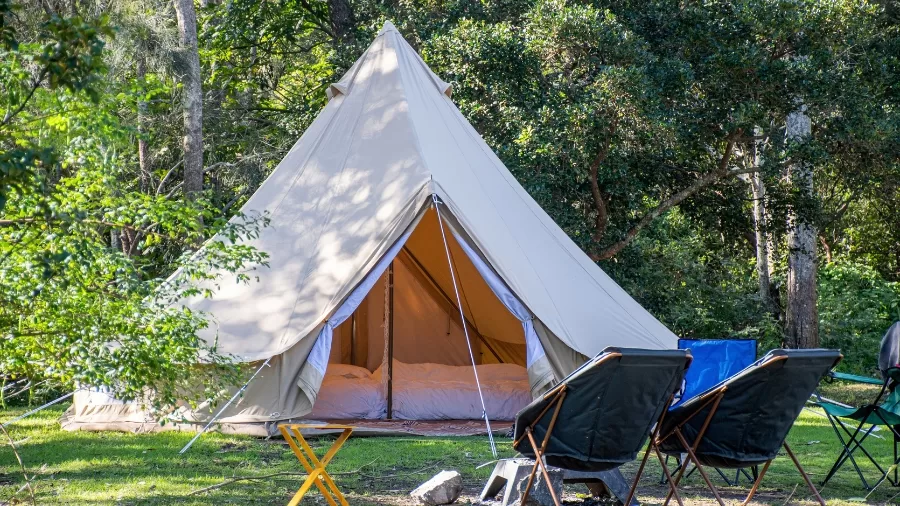
In recent years, the travel and tourism industry has witnessed a powerful shift in consumer preferences. Travelers no longer want basic hotel stays or rough outdoor camping experiences. Instead, they are looking for comfort, uniqueness, and a closer connection with nature. This shift has given rise to the glamping economy, a fast-growing segment that combines glamour and camping into a profitable and sustainable business model.
Glamping, short for “glamorous camping,” offers luxury accommodations such as eco-friendly tents, domes, cabins, and treehouses in natural settings. The glamping economy has rapidly expanded worldwide, attracting travelers, investors, and entrepreneurs alike.
What Is the Glamping Economy?
The glamping economy refers to the economic ecosystem built around luxury camping experiences. It includes accommodation providers, local communities, tourism operators, suppliers, and digital platforms that support glamping services.
Unlike traditional camping, glamping provides modern amenities such as comfortable beds, private bathrooms, electricity, Wi-Fi, and curated experiences. This blend of nature and comfort appeals to travelers who want outdoor adventures without sacrificing luxury.
The growth of the glamping economy is closely linked to changing travel behavior, where experiences matter more than possessions.
Why the Glamping Economy Is Growing Rapidly
Several factors are fueling the rapid expansion of the glamping economy:
1. Experience-Based Travel
Modern travelers prefer meaningful experiences over standard hotel stays. Glamping offers immersive nature-based experiences with high comfort, making it an ideal choice for couples, families, and solo travelers.
2. Sustainability and Eco-Tourism
Eco-friendly materials, solar energy, and low environmental impact attract environmentally conscious travelers, further strengthening the glamping economy.
3. Post-Pandemic Travel Trends
After global travel disruptions, people started seeking secluded and safe travel options. Glamping destinations offer privacy, open spaces, and reduced crowd exposure, making them highly attractive.
4. Social Media Influence
Unique glamping accommodations are highly shareable on social media. Visually appealing stays help promote destinations organically, driving demand and boosting the glamping economy.
Economic Impact of the Glamping Industry
The glamping economy contributes significantly to local and regional development. Many glamping sites are located in rural or underdeveloped areas, creating new income streams and employment opportunities.
Local benefits include:
- Job creation for residents
- Increased demand for local food and services
- Growth of small businesses and artisans
- Improved infrastructure and tourism visibility
By attracting high-value travelers, the glamping economy helps destinations earn more while preserving natural resources.
Investment Opportunities in the Glamping Economy
The glamping economy has become an attractive sector for investors and entrepreneurs. Compared to traditional hotels, glamping setups often require lower initial investment and offer flexible scalability.
Popular glamping business models include:
- Luxury tents and safari lodges
- Geodesic domes and igloos
- Treehouses and eco-cabins
- Mobile and seasonal glamping units
With proper marketing and location selection, glamping businesses can achieve high occupancy rates and strong returns.
Challenges Facing the Glamping Economy
Despite its growth, the glamping economy also faces certain challenges. Regulatory restrictions, land use policies, and environmental concerns can impact operations. Additionally, maintaining a balance between luxury and sustainability requires careful planning.
Seasonal demand and weather dependency can also affect revenue consistency. However, businesses that diversify experiences and offer year-round activities often overcome these challenges successfully.
The Future of the Glamping Economy
The future of the glamping economy looks promising as travelers continue to seek personalized, sustainable, and immersive travel experiences. Technological advancements such as online booking platforms, smart accommodations, and digital marketing are further accelerating growth.
Emerging trends include:
- Wellness-focused glamping retreats
- Digital nomad-friendly glamping sites
- Adventure and cultural experience packages
- Luxury eco-resorts with minimal footprint
As tourism evolves, the glamping economy is expected to play a central role in redefining outdoor hospitality.
Conclusion
The glamping economy represents a powerful transformation in the tourism and hospitality industry. By merging comfort, nature, and sustainability, it offers a win-win solution for travelers, businesses, and local communities.
As demand continues to rise, the glamping economy will remain a key driver of innovation and economic growth in global tourism. For travelers seeking unforgettable experiences and entrepreneurs exploring new opportunities, glamping is no longer a trend—it is the future of travel.